
Your Visit to Have a CT Scan of Your Head (Easy Read)
This leaflet gives you the information you need to have before having a CT scan of your head. Please read the leaflet carefully and hopefully it will answer any questions you may have.
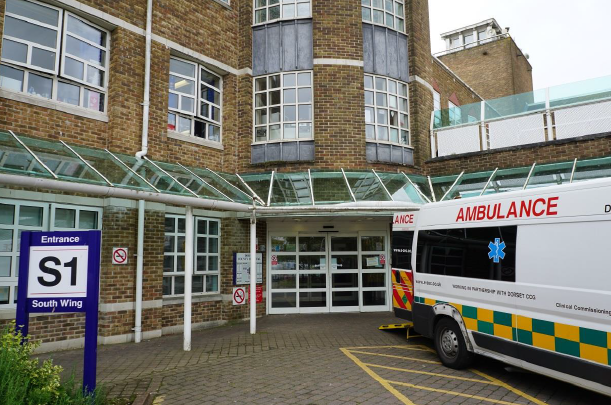
Where to find us
Dorset County Hospital is on Williams Avenue, Dorchester. Use the entrance S1 (South Wing, Level 1) and go to the Diagnostic Imaging Department to check in at reception.
Parking is available in the multi storey car park but can get busy so please allow plenty of time. When entering the car park, you will receive a ticket at the barrier, which you will use to pay at a machine before leaving the car park.
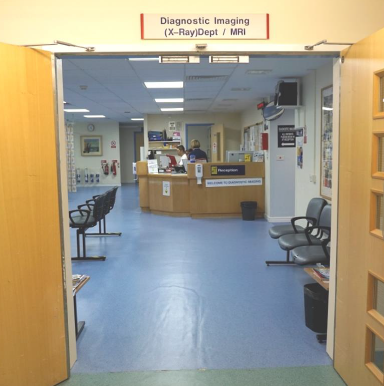
You need to enter the hospital via South Wing 1 entrance and turn right following the signs. When you arrive in the Diagnostic Imaging Department you will see the reception area.
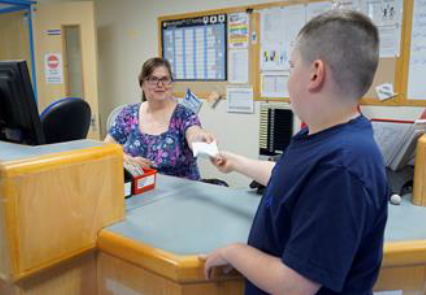
You may have a letter to hand in or you may give some information to the friendly receptionist.
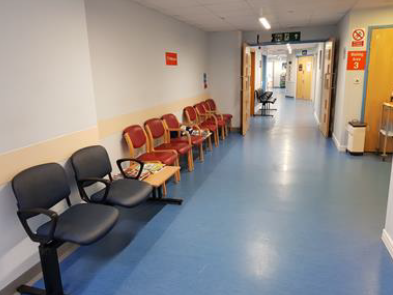
What happens next?
This is the waiting area where you will be asked to sit whilst you wait to be seen.
Sometimes this area may be noisy and busy.
There are some details on the board as to the staff working in CT on the day, and some information about CT on the display board to look at.
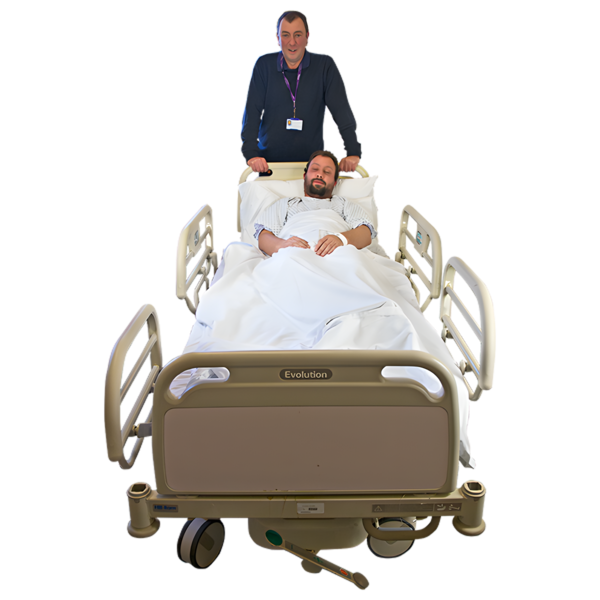
Some other patients may be in wheelchairs or perhaps lying on beds.
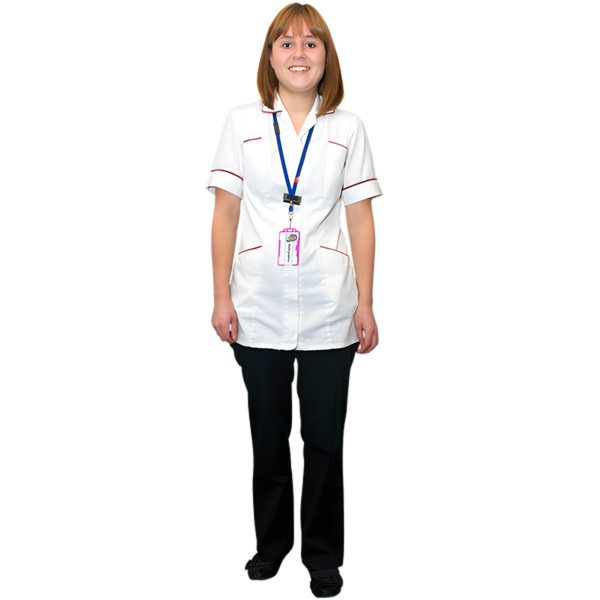
A radiographer or an assistant will call your name and will ask you your address, date of birth and perhaps ask you why you are having a scan.
The radiographer is the person who will be taking your CT scan.
If you are not sure of the answers your relative/carer will be able to help you.
It is important that you remove any earrings or hair clips as these will show on your scan.
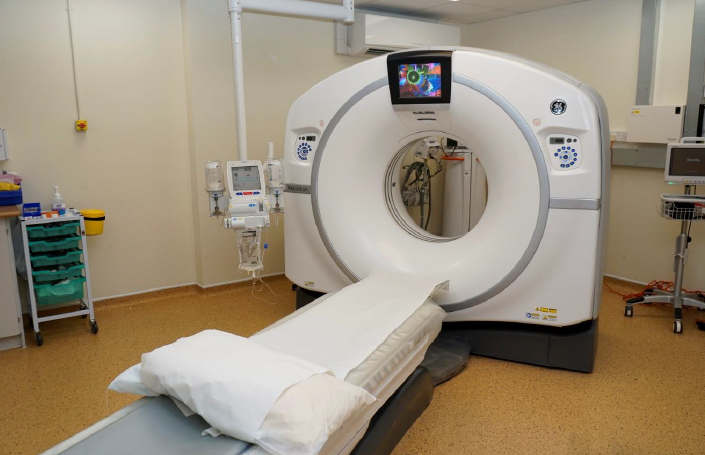
You will have your pictures taken in a room using a CT scanner. It is a very special scanner that uses x-rays to produce very detailed images of your brain.
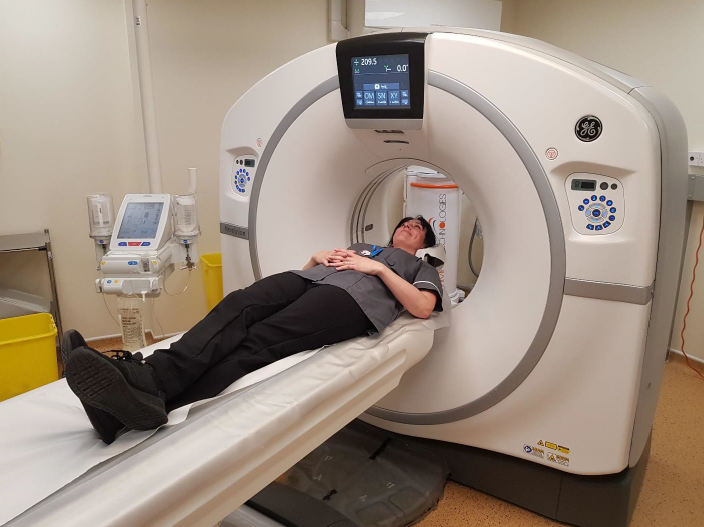
The X-ray machine will make a whirring noise while it is working, and it sounds a little bit like a washing machine. You will need to keep really still. However, the scan will last less than two minutes.
The radiographer will ask you to lie down on the scanner – there is a cradle for your head to rest in.
Don’t worry, the radiographer will help you into the correct position.
The table moves you through the scanner.
The scan will only take about two minutes to complete.
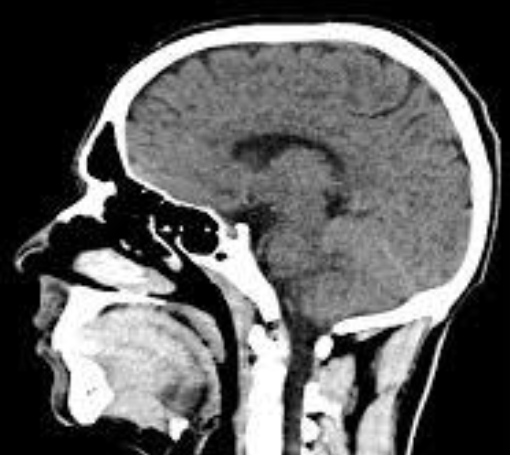
Once the radiographer has checked that all the necessary x-rays have been taken, you will be able to leave the department.
The results will be sent back to the doctor that sent you for your scan.

We hope that you have found this information useful. If you have any questions or are worried about anything, please speak call the appointments office on 01305 254428.

About this leaflet
Author: Simon Jones, Deputy Radiology Manager and Cross-Sectional Lead Radiographer
Written: June 2019
Updated and approved: December 2024
Review date: December 2027
Edition: v2
If you have feedback regarding the accuracy of the information contained in this leaflet, or if you would like a list of references used to develop this leaflet, please email patientinformation.leaflets@dchft.nhs.uk