
Summary for Patients Preparing for Surgery – PREHABS
P – Preparation
Preparing your home for after your surgery is important to do before. Friends and family can often help and support you, ensuring you are safe on your return. Those patients awaiting hip, knee or shoulder surgery please engage with our online procedure specific information: dorset.medicaldecisions.co.uk
R – Respiratory Exercises
Chest / lung training
Some of you will be provided with incentive respiratory spirometers which enable you to help train your lungs for your surgery. These have been generously donated by the Friends of DCH. We embrace the iCOUGH technique which is available on U tube to watch and is within the surgical school area.
iCOUGH stands for:
- i – Incentive respiratory spirometry
- C – Coughing
- O – Oral hygiene – brushing teeth twice a day and using mouth wash is able
- U – Understanding why this important
- G – Getting out of bed
- H – Head up at 30 degrees when sleeping
If you are not provided with a device the please train your lungs by perform 10 slow deep breaths, four times a day for two weeks before your day of surgery – like a ”yoga breath”. This is also a good way of relaxing prior to surgery.
E – Eating well
By increasing your protein intake to about 1g – 1.5g/Kg/day and reducing your carbohydrate intake. An ideal way to do this is to write down or diary everything you eat and drink using a free app such as ‘my fitness pal’ to log and see quantities of types of food you eat. LiveWell Dorset is a free resource for support on remaining active and healthy whilst on the waiting list: livewelldorset.co.uk
H – Health conditions
Health conditions that you may already have such as high blood pressure, anaemia and diabetes should be reviewed and were indicated optimised, so you are in the best condition to have surgery. Keeping you blood sugars between 6-12, blood pressure of 120/80 or less and a blood count – haemoglobin level of 13 for men and women are ideal for any surgery.
A – Activity
Many of you have busy lives but we are all less active. Doing 30 mins of an activity that you enjoy such as walking, swimming, dancing, cycling which increases your heart rate is beneficial. Ideally you want to do 30 minutes of exercise every day. In addition, we suggest training specific muscle groups for certain types of surgery such as knees, and hips. Training for surgery improves your recovery time and progress. It is important to strengthen and engage your core muscles whilst doing these exercises. Versus Arthritis provides exercise programmes for hip and knee surgery: versusarthritis.org/about-arthritis/exercising-with-arthritis/lets-move-for-surgery-toolkit
B – Behavioural change
Many of us have habits such as smoking which are not beneficial to having surgery. We would encourage all patients to stop smoking for a minimum of six weeks before surgery and stop alcohol for four weeks before surgery or reduce to 14 units / week maximum. There is a free NHS Stop Smoking Service via LiveWell Dorset: livewelldorset.co.uk
S – Satisfaction / wellbeing and sleep
Patients are often anxious about their surgery, anaesthetic or have had previous bad experience that may affect how they recover. If you are < 65 yrs old and have a history of depression, previous or current poor pain control or are taking long term morphine like medications you may benefit from additional help from our inpatient pain team before surgery which we can help organise.
Sleep is important for the body to repair itself. Simple things that can improve your sleep hygiene are:
- going to sleep at regular time each evening
- eating light healthy meals
- avoiding caffeine
- avoiding screen time one hour before bed – TV and mobiles
- ensuring room is cool, dark, and tidy.
Sommustherapy.com provides an app that patient may wish to look at – this is not a recommendation but suggestion of apps which have helped patients.
Pain
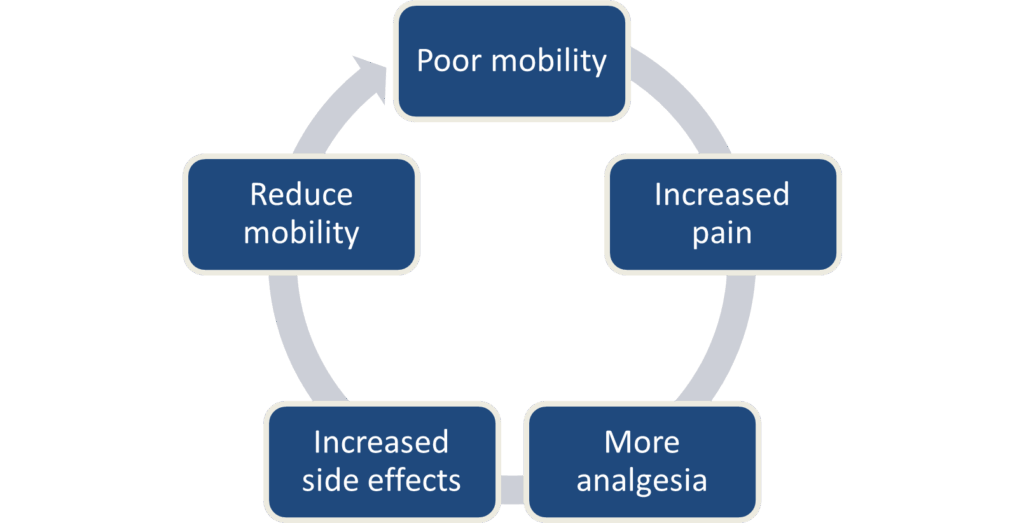
For those patients taking pain relief which contains morphine like substances you may be interested to look at this patient information which has some useful information regarding pain tablets.
britishpainsociety.org/static/uploads/resources/files/pain_management_after_surgery_English.pdf
If you would like to understand further what medications, you are on or whether you can reduce medications which contain morphine within them then information is available through the above link from South Tees Hospital who have given DCH permission to use.
Useful information
Further useful information about anaesthesia can be found on the Royal College of Anaesthetists website: rcoa.ac.uk/patients/patient-information-resources
About this leaflet
Author: Susie Baker
Written: January 2022
Approved: January 2022
Review date: January 2025
Edition: v1