
Pubic Rami Fracture Management
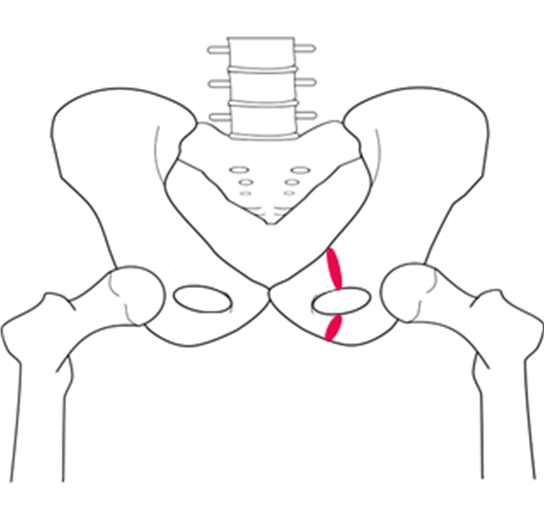
You are being given this leaflet as you have sustained a Pubic Rami fracture.
The pubic rami are a group of bones that make up the front part of the pelvis. A fracture means that you have broken one of these bones.
What causes a fracture?
A pubic rami fracture in older people is usually caused by a fall. The fracture often happens because the bones are weaker.
What are the common symptoms?
Pain in your groin, hip or lower back that may worsen with movement.
Tenderness in your groin area.
Mild bruising or swelling
Discomfort when walking. This makes it more difficult to complete everyday tasks.
What is the treatment?
- This type of fracture does not require an operation and will heal on its own.
- It should heal within 6-8 weeks. It can take longer depending on the severity of the fracture.
- You can safely walk and put your full weight on your hip as soon as possible. This will help with bone healing.
- Take regular pain relief as recommended. This will help while you recover.
What can affect bone healing?
Factors such as age, nutrition, smoking, alcohol intake, medications and exercise can affect how quickly your bone recovers.
What to do while recovering?
A fracture can make everyday activities more difficult, including:
- Getting in and out of bed.
- Standing from a chair.
- Walking short distances.
- You may be given some equipment to help you. Most people will regain their independence over time.
What advice to follow?
- Stay active and mobile.
- Eat a balanced diet.
- Follow medical and physiotherapy advice.
- Avoid smoking and excess alcohol.
- Avoid twisting movements of the hips.
- Avoid prolonged bed rest.
Please seek further medical advice if you have any concerns or unexpected symptoms from your pubic rami fracture.
Contact your GP, call 111 or attend your local emergency department if you experience any of the following:
- Sudden increase of pain.
- New swelling and bruising of the pelvis or groin.
- Inability to weight bear or sudden difficulty walking.
Contact Numbers
We hope that you have found this information useful. If you have any questions or are worried about anything, please speak to the following
Dorset County Hospital Staff:
Dorset County Hospital 01305 251150
Dorchester Outpatient Physiotherapy 01305 255314
Weymouth Outpatient Physiotherapy 01305 762621
About this leaflet:
Author: Jazmine Hepburn, Physiotherapist
Written: April 2026
Approved: July 2027
Review Date: July 2030
Edition: V2
If you have any feedback regarding the accuracy of the information contained in this leaflet, or if you would like a list of references used to develop this leaflet, please email dch.patientinformation.leaflets@nhs.net
Print leaflet